The third week of the 2027 Giro d’Italia runs from Tuesday 25 to Sunday 30 May: six stages, 1,050km, and the Giro’s only two five-star stages, Sondrio-Aprica with the Mortirolo twice and the Gavia, and Saturday’s Pordenone-Zoncolan. In between comes Madonna di Campiglio, and at the end the last sprint in Rome.
It is the week of repeated climbs: the Mortirolo is climbed twice in the same stage, so that the crowd sees the race pass the same point twice. The picture of the whole Giro is in the piece on the route from Trieste to Rome.
Anyone who wants the pink jersey must pace themselves for six days: three summit finishes, Aprica, Campiglio and Zoncolan, interspersed with two stages rated two stars that are no rest. From the fifteenth stage onwards, in the Grand Tours from 2019 to 2025, the breakaway won 49 road stages out of 109, or 45%, with a range between 36 and 54%.
Sondrio-Aprica, the Mortirolo, the Gavia and the Mortirolo again
Stage 16: Sondrio-Aprica, 5,700m of climbing
Tuesday 25 May, the day after the rest day, 192km and 5,700m of climbing: the hardest stage of the Giro. It starts in Sondrio and passes through Tirano, Edolo, Ponte di Legno and Bormio. The mountain primes are the Mortirolo twice, with the Gavia in between, and the finish at Aprica.
After the first stretch there is not a metre of flat. In stages like this team help counts for less and an upset is possible: whoever mismanages their effort on the first Mortirolo finds out on the second. It is a stage for the general classification men, and for those willing to risk their classification to win it.
The reference time on the Mortirolo belongs to Ivan Gotti, 42’40”, ahead of Marco Pantani’s. Both also won at Aprica, Pantani in 1994 and Gotti in 1996.
The first time, in 1962, Vittorio Adorni won at Aprica. The last Italian to win there was Michele Scarponi, in 2010, the same rider to whom the Sassotetto stage is dedicated; after him Mikel Landa won in 2015 and Jan Hirt in 2022.
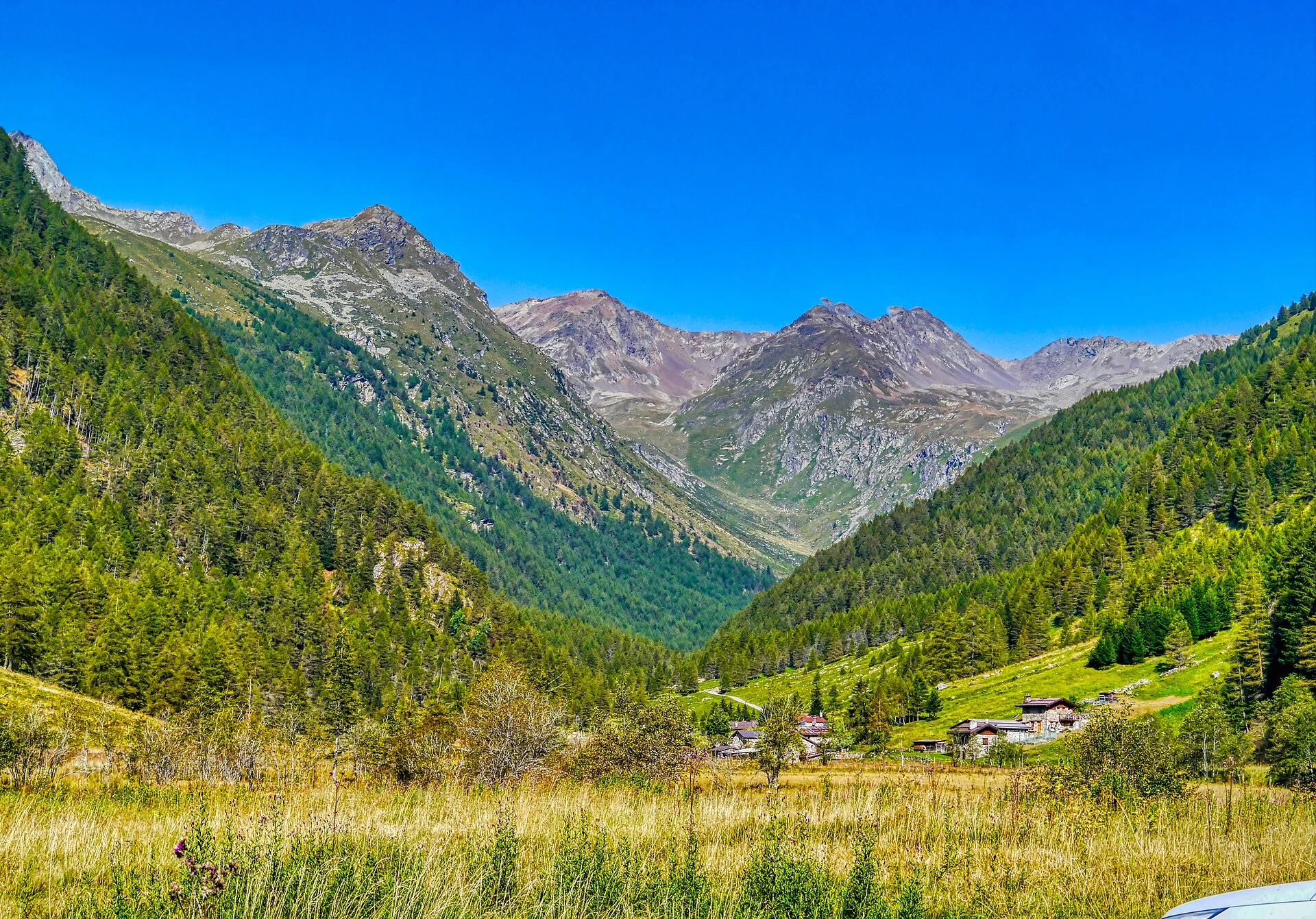
Vo’, Campiglio and Sacile, from the Euganean Hills to Friuli
Stage 17: Chiari-Vo’, the Euganean Hills
Wednesday 26 May, 194km from the Lombard plain to the Euganean Hills, with two mountain primes, Castelnuovo and the Passo Roverello, and the finish at Vo’. Two stars.
The day after the hardest stage the general classification men look for a truce, and a two-star stage becomes terrain for the breakaway or for the sprinters who have got over the mountains. From the fifteenth stage onwards, from 2019 to 2025, the breakaway won six in ten rolling stages: anyone with no classification left to defend has their chance here.
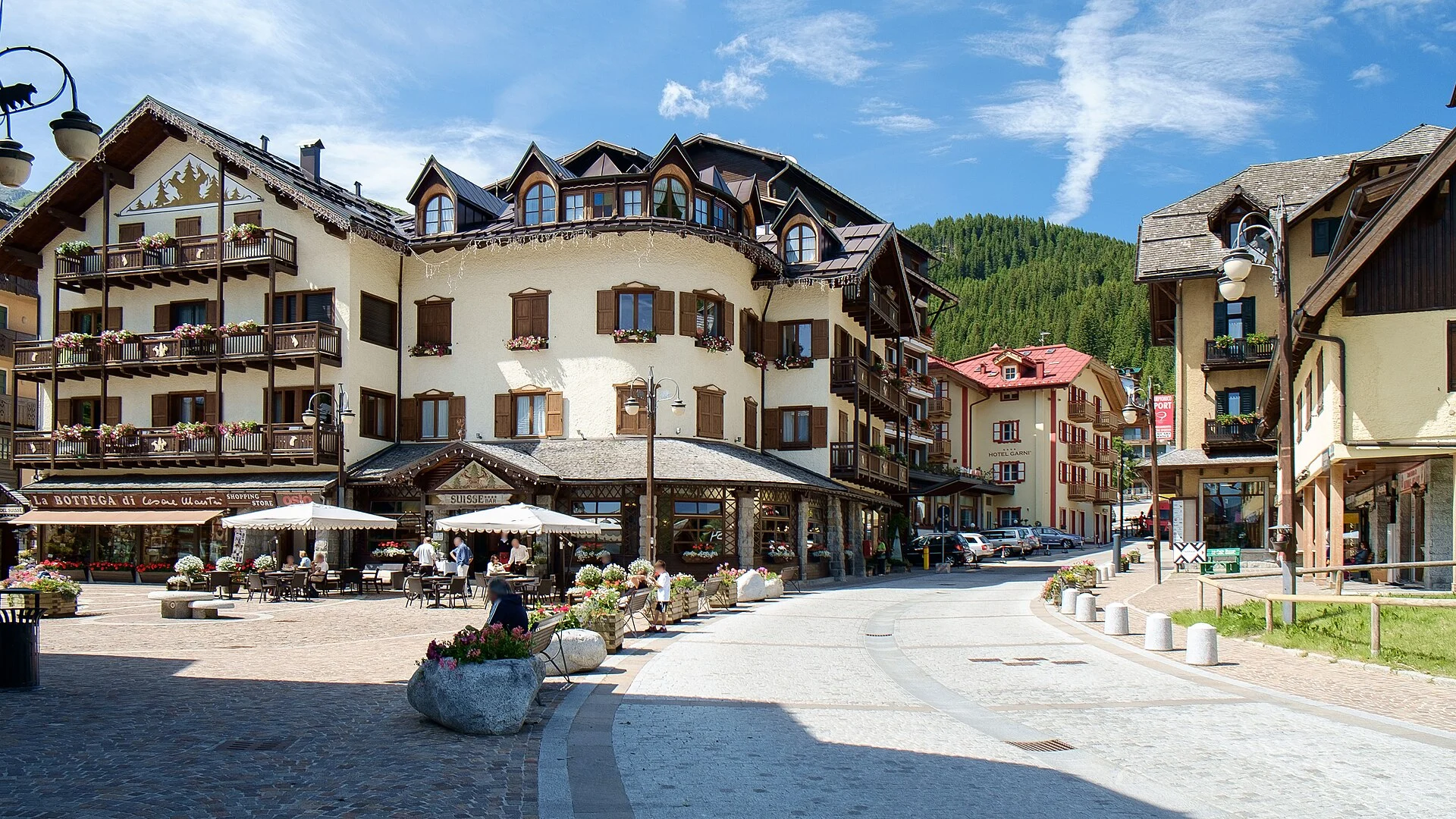
Stage 18: Rovereto-Madonna di Campiglio, four passes in 154km
Thursday 27 May, 154km and four stars: the shortest of the four-star road stages. From Rovereto the race goes through Riva del Garda, Tione di Trento, Ponte Arche and Pinzolo; there are four mountain primes, in order Passo Ballino, Passo Durone, Passo Daone and the finish at Madonna di Campiglio.
It is a stage for climbers and general classification men, short and with four climbs: two days after Aprica, those who have recovered best can gain time, and those who paid may pay again. But the breakaway has its cards to play.
Marco Pantani won at Madonna di Campiglio in 1999, Mikel Landa in 2015 and Ben O’Connor in 2020, arriving with the breakaway and 31″ ahead of second place. In 2013 the Tour de Pologne started from Rovereto to finish up here, and the winner was Diego Ulissi.
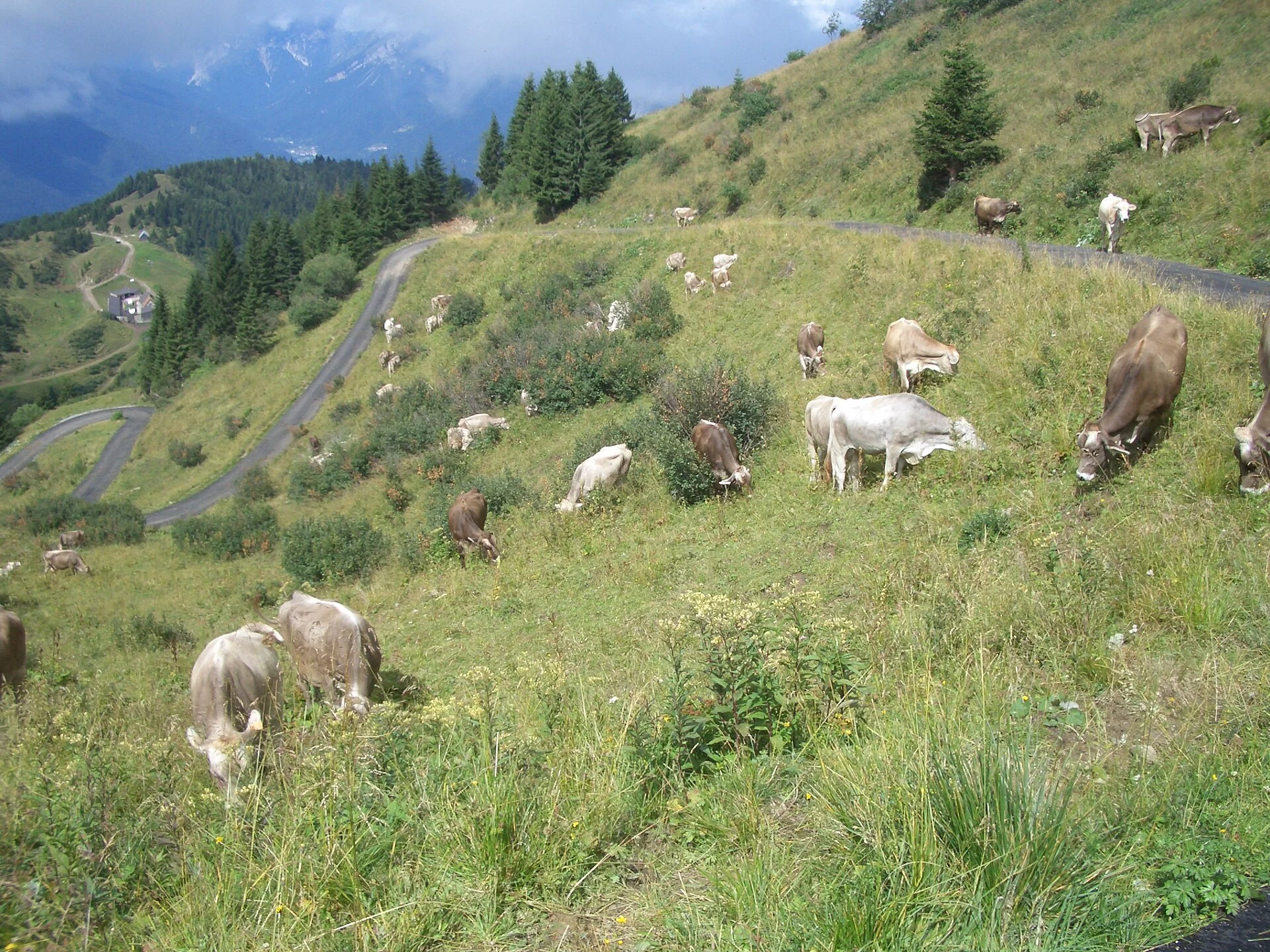
Stage 19: Rovereto-Sacile, the Valsugana and the return to Friuli
On Friday 28 May the race restarts from Rovereto for 199km, the longest stage of the week: the Valsugana, three mountain primes, in order Vigolo Vattaro, Bieno and Montaner, and the finish at Sacile. Two stars. The Giro returns to Friuli Venezia Giulia, where it started, for the third-to-last and second-to-last stages.
It is a stage for sprinters who still have legs, or for a breakaway of riders who have nothing left to ask of the classification. The Zoncolan comes the next day, and the general classification men will ride it with the handbrake on.
The Zoncolan from Ovaro and the finish in Rome
Stage 20: Pordenone-Monte Zoncolan, the last mountain
Saturday 29 May, 180km and five stars. From Pordenone, Italian capital of culture 2027, the race passes through Cordovado, Spilimbergo, Peonis and Tolmezzo; the mountain primes are the Passo Duron, the Sella Valcalda and the finish on the Monte Zoncolan, by the Ovaro side.
The gradients are consistently in double figures: even the sprinters suffer, and the lighter climbers have the terrain to make the difference. In recent years the Giro’s last mountain day has brought big upsets, and this one comes the day before Rome.
On the Zoncolan, Gilberto Simoni won in 2003 and 2007, Ivan Basso in 2010, with 1’19” over second place, Michael Rogers in 2014 and Lorenzo Fortunato in 2021. The last time from Ovaro, in 2018, Chris Froome won, with 6″ over second.
It is a stage for pure climbers and for those who need to recover time in the classification. On summit finishes from the fifteenth stage onwards, from 2019 to 2025, the breakaway won 21 times out of 50, about two in five; with the pink jersey at stake at the last opportunity, the general classification men have fewer reasons to let it go.
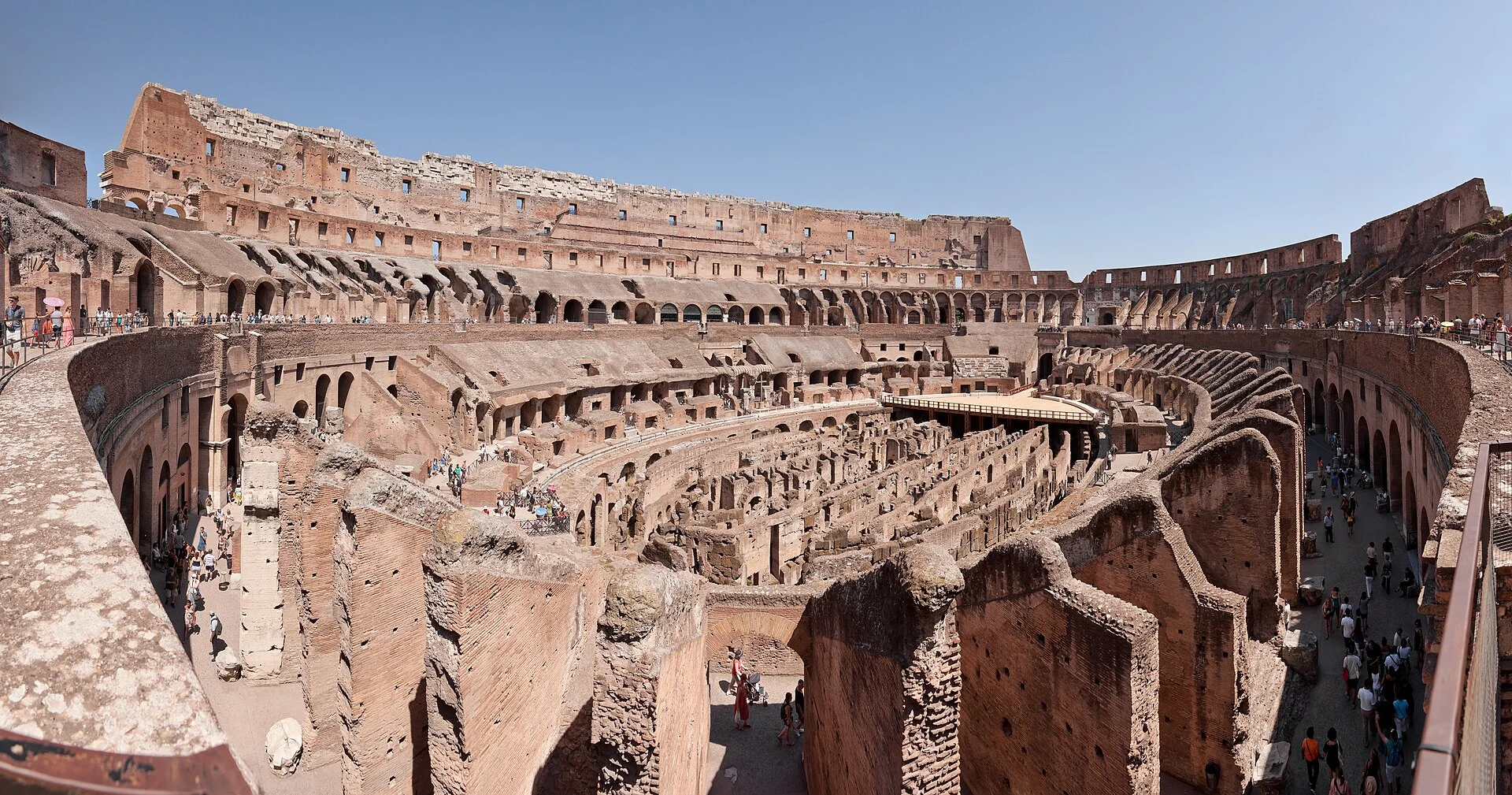
Stage 21: Rome, from Ostia to the EUR and the centre
Sunday 30 May, 131km and one star, the shortest road stage of the Giro: from Rome to Rome, via Ostia and the EUR before entering the centre. It is the fifth consecutive time the Giro has finished in Rome, the ninth in all; Rome has featured as a stage finish since 1909, when Luigi Ganna won.
It is a stage for sprinters who have got through the mountains: the last five times, since 2018, Rome has been won by a sprint, with Sam Bennett, Mark Cavendish, Tim Merlier, Olav Kooij and, in 2026, Jonathan Milan. For a sprinter the third week is a matter of survival: get over the Zoncolan spending as little as possible, to have a go at Rome the next day.
In the third week the pink jersey is defended on the climbs
The two five-star stages are at the start and the end, with a four-star finish in between: whoever spends everything on the Mortirolo must still have legs for Campiglio, two days later, and for the Zoncolan, four days later.
Whoever leaves the Milan time trial in the pink jersey faces three summit finishes and no time trial: for a time triallist it is a week to defend, for a climber a week to attack.
The odds from the fagIAno, our forecasting model, for the 2027 Giro are not yet available: the fagIAno is in training and version 1 is due in January 2027.
The first week, from Trieste to Monte Livata, is in the Giro 2027 stage by stage, first week; the second, from Piani di Bobbio to the Milan time trial, in the second week stage by stage. All the stages are in the 2027 Giro d’Italia fact file, the Giro’s mountains against the Tour’s in the comparison of the Giro and Tour routes.
Sources
- Giro d’Italia, “The 2027 Giro d’Italia route”.
- Giro d’Italia, “The presentation of the 2027 Giro d’Italia (video)”.
- UCI, “Official road race results”.
- Wikimedia Commons, “Cover photo: kallerna, CC BY-SA 4.0”.

Written with the help of Mnemosyne.