The second week of the 2027 Giro d’Italia runs from Tuesday 18 to Sunday 23 May: six stages and 1,011.3 km, from the Monti Sibillini to Milan. It contains two summit finishes, the Passo dei Due Santi and the Piani di Bobbio, two sprints and the second time trial, from Monza to Milan.
The week alternates hard stages with ones that let the bunch breathe, up to the Lombard weekend, when the Piani di Bobbio and the time trial come back to back. The overview of the whole Giro is in the piece on the route from Trieste to Rome.
It is the week of the breakaways. In the Grand Tours from 2019 to 2025, between the eighth and the fourteenth stage, the breakaway won 59 road stages out of 117, half, within a range of 41 to 59%; and six in ten of the rolling ones. After the first rest day the peloton already knows who matters, and those who don’t can go.
Norcia and the Mugello, the Apennines and the racetrack
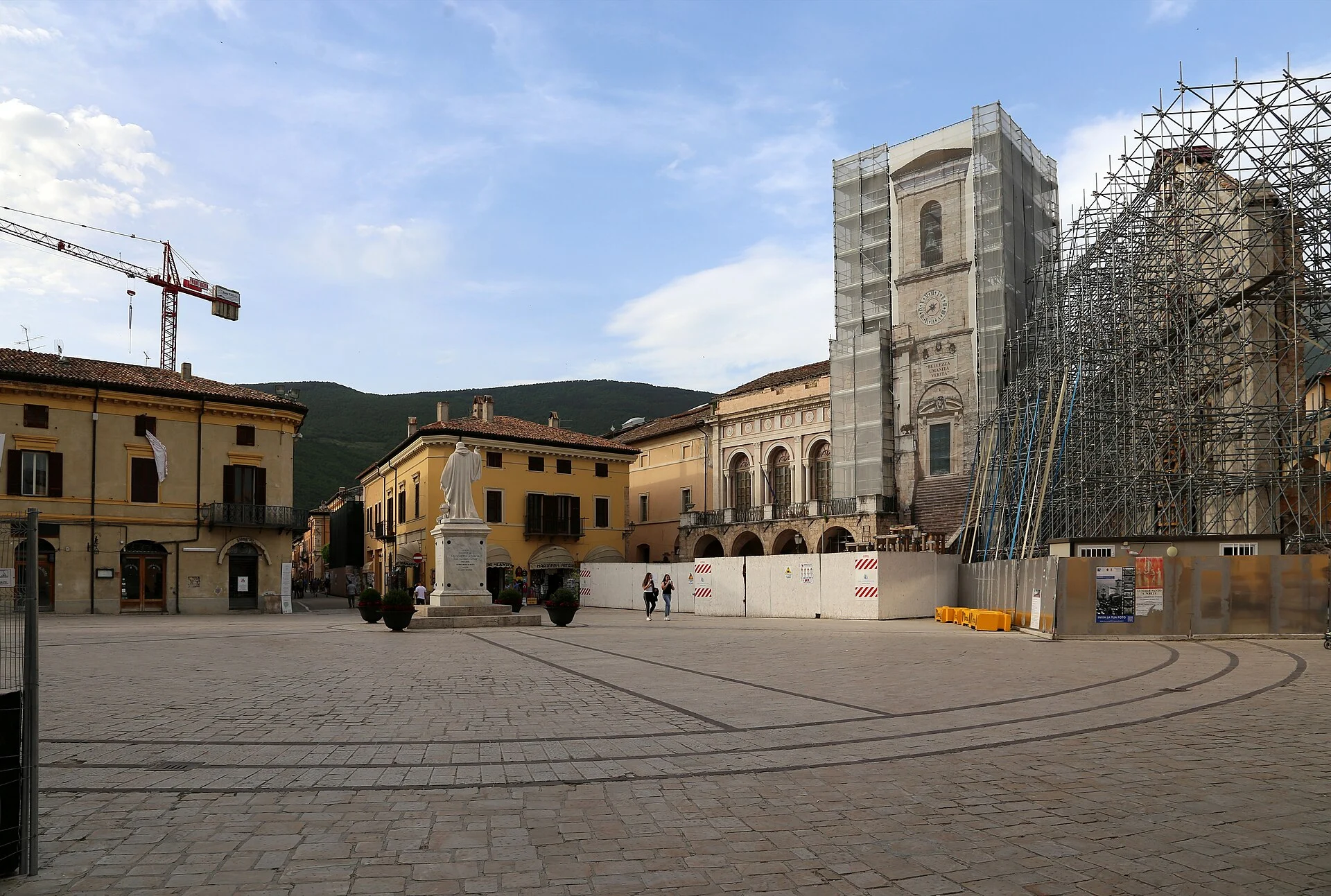
Stage 10: Palombara Sabina-Norcia, the passes of the Sibillini
Tuesday 18 May, the day after the rest day, 218 km from the Sabina to the Monti Sibillini, rated three stars. There are two categorised climbs, in order Forca Ventolosa and Forca di Presta; then the finish in Norcia, which is not uphill. With the next day’s Mugello stage it makes two of the Giro’s three longest stages, back to back: 438 km in two days.
It is a stage for the breakaway. Long, rolling, with a flat finish and the rest day just behind: the overall contenders have every reason to let it go, and those out of the classification to try from kilometre zero. With two mountain climbs, the sprinters’ teams have little to gain from keeping the race closed.
Stage 11: Gualdo Tadino-Mugello, the longest stage of the Giro
Wednesday 19 May, 220 km, the longest stage of the Giro: from Umbria to Tuscany, with a single categorised climb, the Vetta Le Croci, and the finish on the Mugello circuit, at Scarperia. Two stars.
It is the second stage at a motor-racing circuit after Misano, on a track designed for speed: the teams can prepare the sprint as on a racing straight. It is a stage for the sprinters who have got over the Apennines. The Giro knows the Mugello: in 1977 it finished there two days running, and two sprinters won, Marino Basso and Freddy Maertens.
The Passo dei Due Santi and the sprint in Reggio Emilia
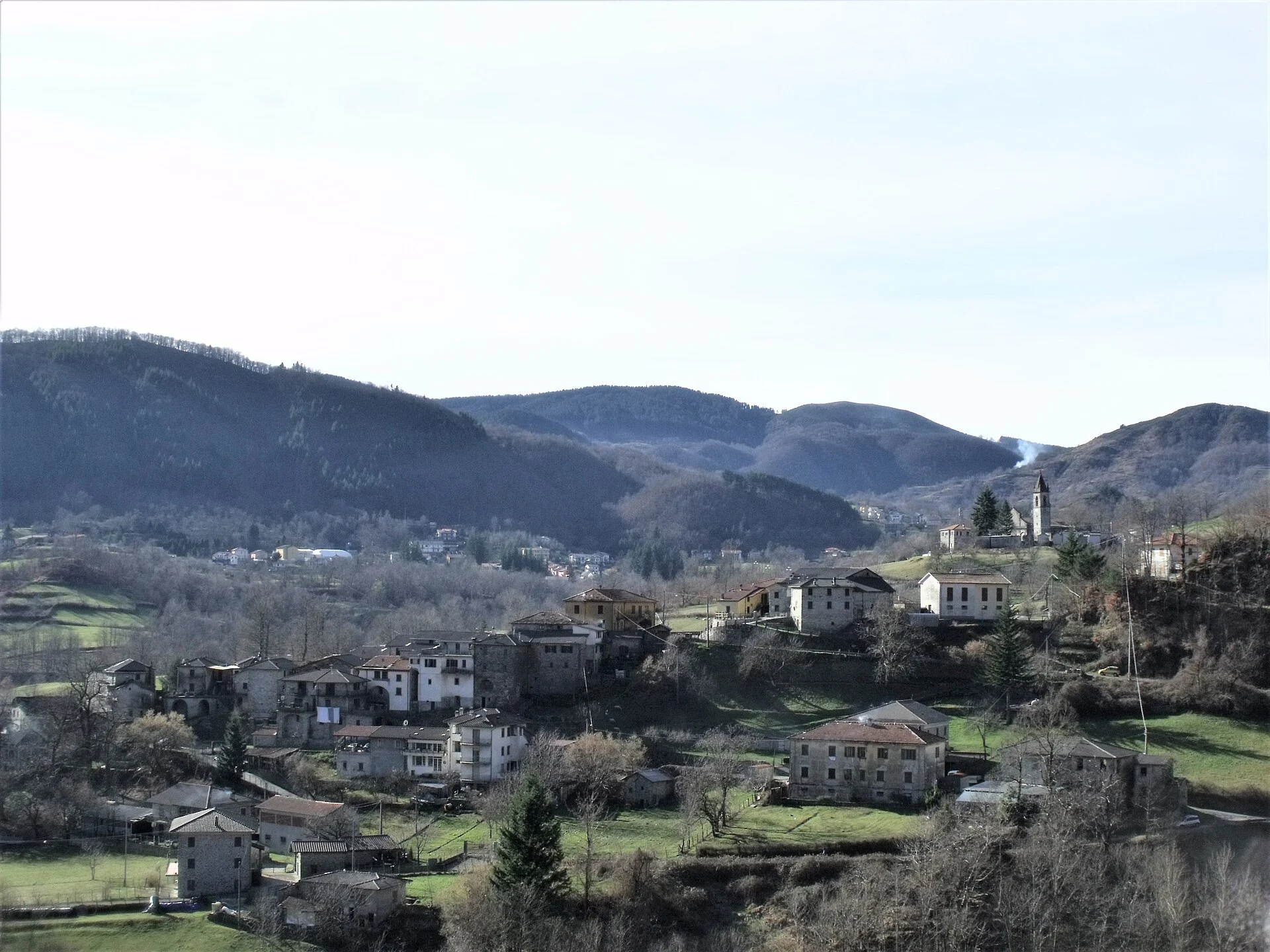
Stage 12: Montecatini Terme-Passo dei Due Santi, in Lunigiana
Thursday 20 May, 173 km from the Valdinievole to Lunigiana, via the Garfagnana. There are two categorised climbs: Foce Carpinelli, between Garfagnana and Lunigiana, and the finish at the Passo dei Due Santi, in the municipality of Zeri. Three stars: with Sassotetto it is one of the two summit finishes of the Giro not rated four or five.
It is above all a stage for the breakaway: in the middle of a Grand Tour this is the type of finish that most often goes to those who set off in the morning. The overall contenders can take a few seconds before the Lombard weekend, and those who have already lost time in the first week have their day here.
Stage 13: Borgo Val di Taro-Reggio Emilia, the sprint in Emilia
Friday 21 May, 176 km from the Parma Apennines to the Emilian plain, with a single categorised climb, the Borsea. One star: after this one, the next stage this easy is the last, in Rome.
It is a stage for the sprinters. The last two times in Reggio Emilia two sprinters won, the Colombian Fernando Gaviria in 2017 and Alberto Dainese in 2022; the first time, in 1927, Alfredo Binda won. For their teams it is also the last quiet day before the Piani di Bobbio and the mountains of the third week.
Piani di Bobbio and Milan, the weekend that weighs
Stage 14: Cantù-Piani di Bobbio, five categorised climbs from the Ghisallo onwards
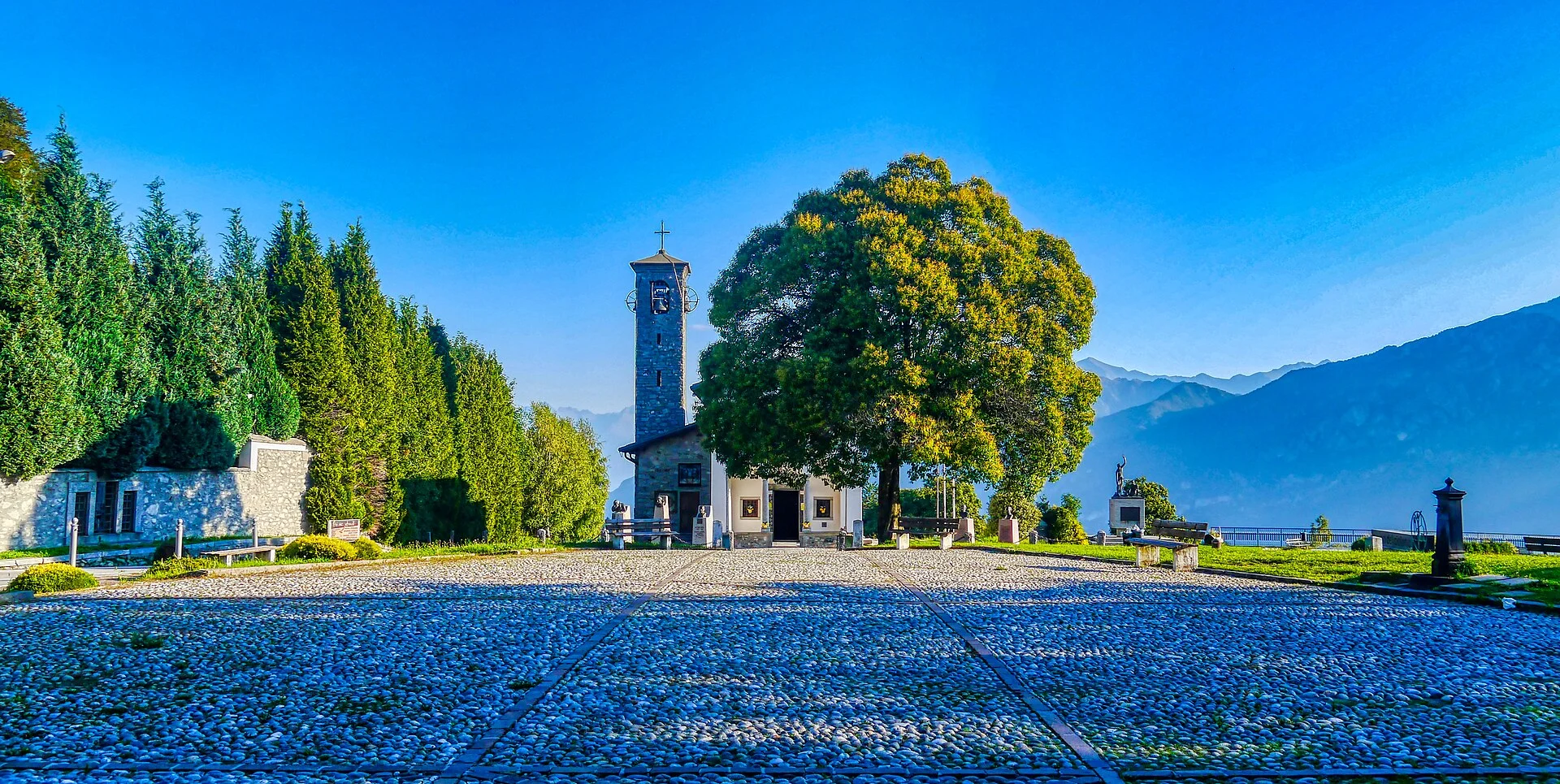
Saturday 22 May, 187 km and 4,900 m of climbing, four stars. It starts in Cantù and passes through Lecco, San Pellegrino Terme and the Valle Brembana. There are five categorised climbs, in order: Madonna del Ghisallo, Culmine di San Pietro, Miragolo San Salvatore, Alino and the finish at the Piani di Bobbio, above Valtorta. No other stage of the Giro has so many.
The last climb measures about 10 km at 9%, with the final 6 at 10%,: what a 10% climb means is explained in the guide. It is little known, and so risks being taken lightly by those who discover it only on the profile.
The Ghisallo, the first climb, with the shrine of the Madonna, patron saint of cyclists, is the springboard for those who want to get into the breakaway: with five categorised climbs and a strong break, the finish is within reach. But a climb like this, on a Saturday, is also the first hard examination for the pink jersey.
The Piani di Bobbio are a new finish for the Giro. The closest climb the Giro knows among the mountains of Lecco is the Piani dei Resinelli, where an Italian, Matteo Rabottini, won in 2012.
Stage 15: Monza-Milano, 37.3 km for the rouleurs
Sunday 23 May, 37.3 km against the clock from the Autodromo Nazionale di Monza to Milan, three stars: it is the second and last time trial of the Giro and the ninety-first finish in Milan. It is a fast time trial, for specialists: together with the 19.6 km of Campo di Giove it makes 56.9 km against the clock, one uphill and one on the flat.
It is a stage for the time triallists and the heavier rouleurs, the day after the Piani di Bobbio: those who paid on the climbs have 37 km to take something back from the climbers, and those who went beyond their limit on Saturday pay for it here. A night’s recovery counts as much as position on the bike.
The route recalls 2017, when the final time trial started from the Monza circuit and finished in Milan: 29.3 km, won by the Dutchman Jos van Emden by 15″ over the runner-up. The last two Milan time trials were won by Filippo Ganna, in 2020 and 2021; Marco Pinotti had won two, in 2008 and 2012.
Monday 24 May is the second rest day; the day after, the third week opens with the hardest stage of the Giro, Sondrio-Aprica.
The second week pits climbers against time triallists
On paper it is the lightest week, with just one four-star stage, but the weight lies at the end: the Piani di Bobbio and the Milan time trial are twenty-four hours in which a climber and a time triallist can swap the pink jersey.
For the climbers the sum is simple: they must gain at the Due Santi and the Piani di Bobbio what they will lose in Milan. For the time triallists it is the opposite: limit the damage on the climbs and attack on the Sunday, knowing that after the rest day come the Mortirolo, the Gavia and the Zoncolan.
The odds from the fagIAno, our forecasting model, are not yet available for the 2027 Giro: the fagIAno is in training and version 1 is due in January 2027.
The first week, from Trieste to Monte Livata, is in the Giro 2027 stage by stage, first week; the third, with the double Mortirolo and the Zoncolan, in the third week stage by stage. All the stages are in the Giro d’Italia 2027 factsheet, the two time trials set beside those of the Tour in the Giro and Tour routes compared.
Sources
- Giro d’Italia, “The route of the 2027 Giro d’Italia”.
- Giro d’Italia, “The presentation of the 2027 Giro d’Italia (video)”.
- UCI, “Official road race results”.
- Wikimedia Commons, “Cover photo: Pier B., CC BY-SA 3.0”.

Written with the help of Mnemosyne.